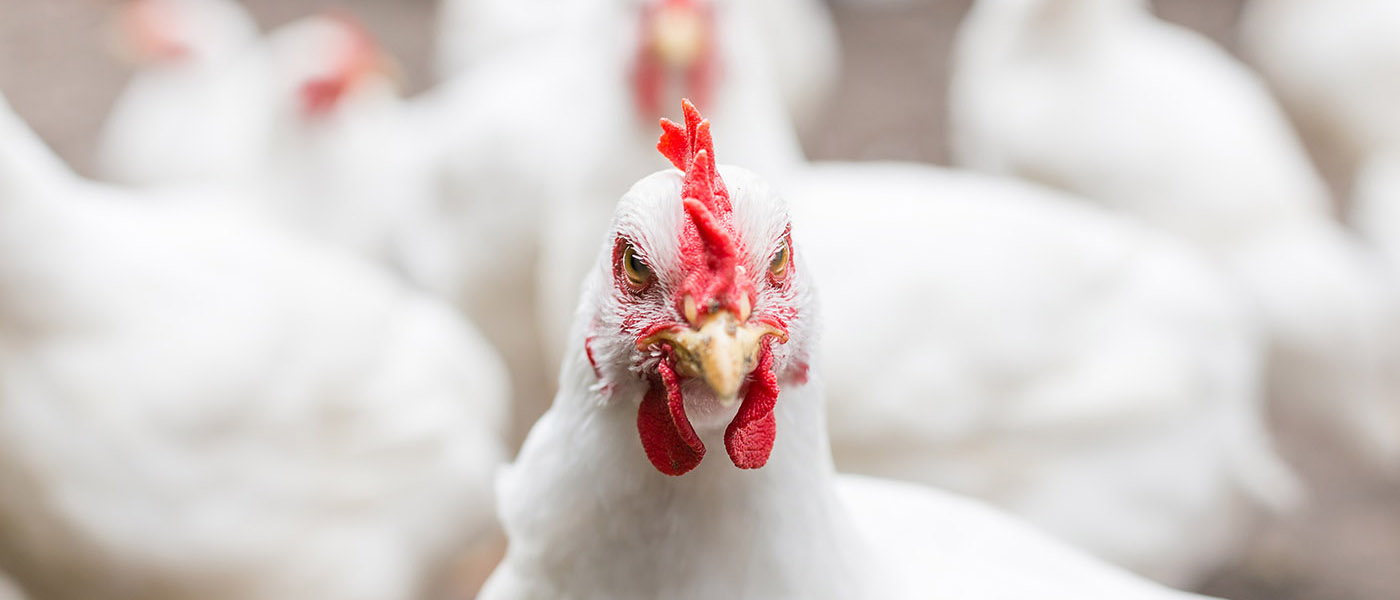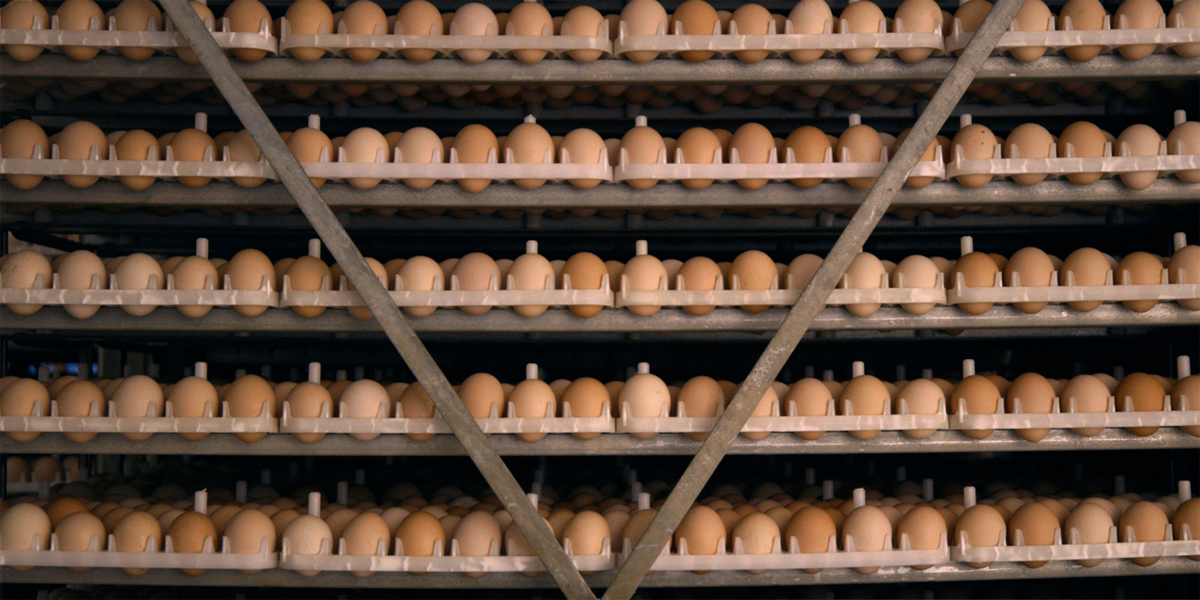
Advances in genetics have dramatically improved what the poultry industry can expect from a laying hen. Modern layers have the potential to produce more eggs over longer productive cycles, with some capable of reaching 500 eggs in a 100-week cycle.
But producing more eggs for longer also asks more of the hen. Her skeleton must support the bird while contributing to the mineral demands of eggshell formation. That means lifetime performance cannot be managed only after problems appear late in lay. The foundation must be built before the first egg is produced.
Lifetime Performance Starts in the Pullet House
Although the pullet phase is relatively short, development during these early weeks helps prepare the hen for a long laying cycle and the production of quality, saleable eggs.
A key priority is skeletal development. The period available to build skeletal size and strength is limited. As the pullet approaches sexual maturity, medullary bone develops to provide a readily available calcium reserve for eggshell formation. Together, structural integrity and adequate mineral reserves help prepare laying hens for the demands of egg production.
Rather than viewing pullet nutrition primarily as a way to reach target body weight, producers and nutritionists should consider it an investment in lifetime performance.
The Skeleton Does Double Duty
The laying hen’s skeleton essentially performs two jobs: structural bone provides strength and supports mobility, while medullary bone serves as a dynamic calcium reserve that can be mobilized during eggshell formation.
Throughout an extended laying cycle, the challenge is to maintain production while supporting skeletal integrity and eggshell quality. After all, producing more eggs creates value only when those eggs remain saleable.
Calcium Isn’t the Whole Story
Calcium receives much of the attention in discussions about bone and eggshell quality, but calcium alone cannot build the structures in which minerals are deposited. Trace minerals support enzymes, collagen and the organic matrix involved in bone and eggshell formation.
- Zinc supports bone metabolism and enzymes involved in eggshell formation.
- Manganese contributes to the organic matrix that supports bone and eggshell mineralization.
- Copper supports collagen cross-linking and connective-tissue integrity.
However, supplying trace minerals is only part of the equation. Their source can influence how effectively they are absorbed and utilized by the bird.
Trace Mineral Sources Matter
Not all trace mineral sources behave the same way in the digestive system. Traditional inorganic minerals rely on absorption pathways that can be affected by competition and interactions with other dietary components.
Zinpro® Performance Minerals® use amino acid-complexed trace minerals, utilizing amino acid absorption pathways and reducing dependence on inorganic mineral transporters. As hens are expected to remain productive longer, mineral nutrition must support those extended demands.
Build Early for the Egg Production You Want Later
Extending the productive life of laying hens requires preparing them for future demands before production begins. That means considering mineral source and utilization early and treating skeletal development as a lifetime-performance priority.
Because the quality of an egg produced late in the laying cycle may begin with the foundation built before the first egg was ever laid.
Frequently Asked Questions