Sow Claw Lesions Are Not Random
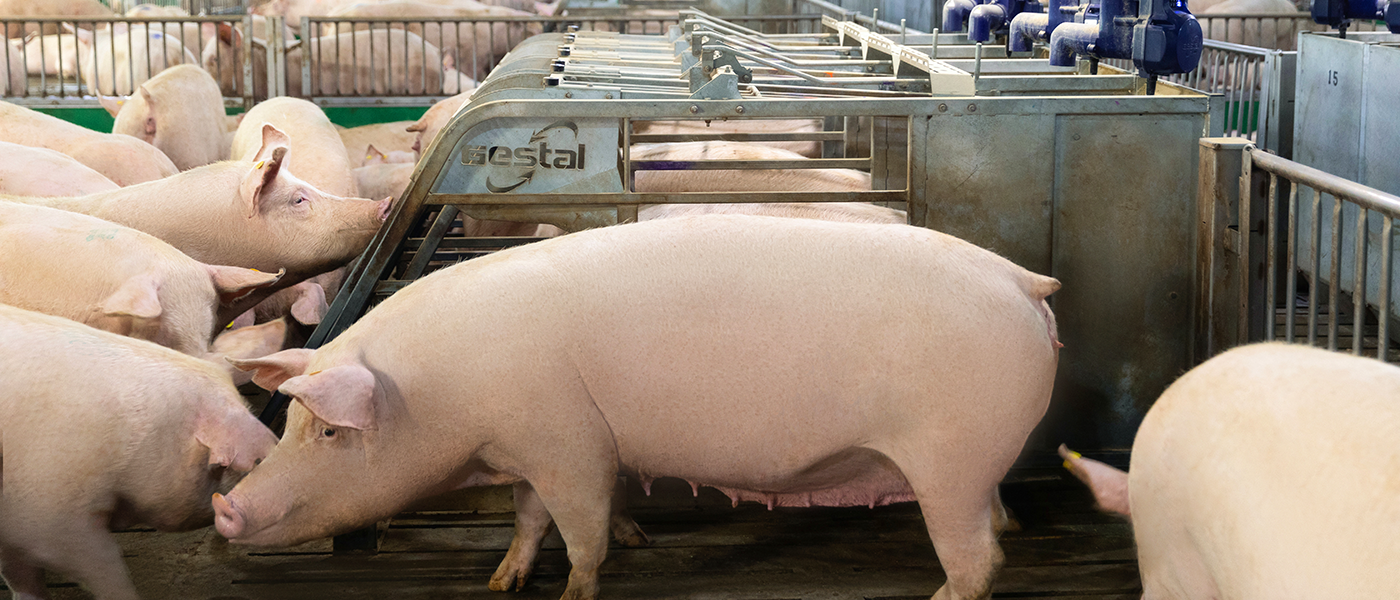
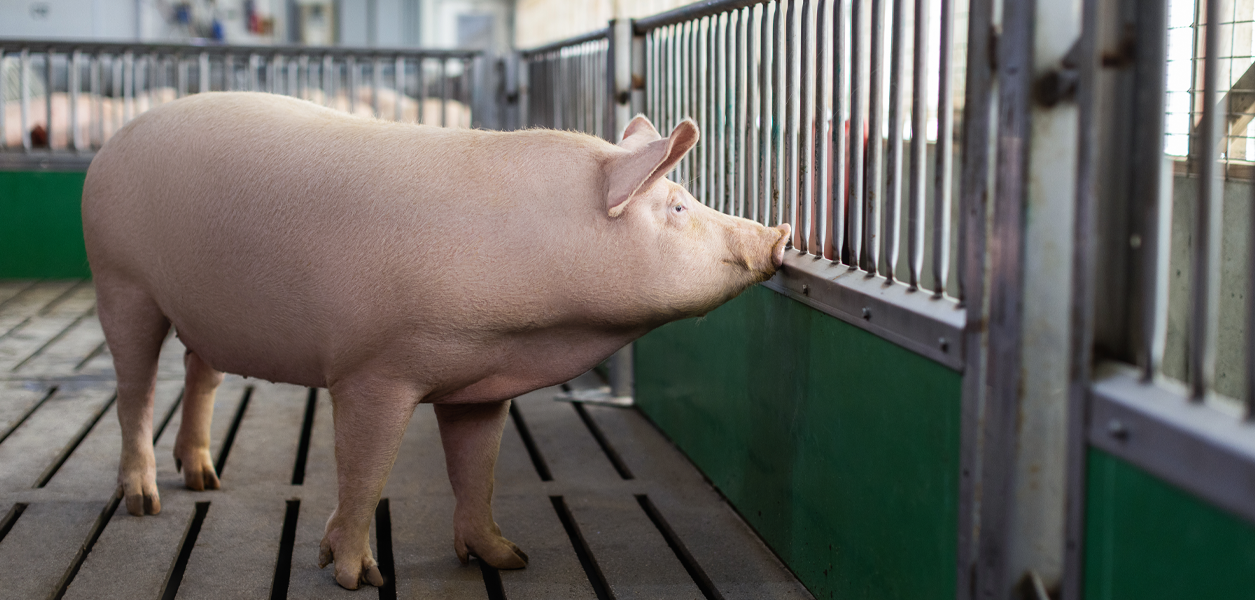
Claw lesions remain one of the most persistent welfare and economic challenges facing sow operations worldwide. While genetics, housing and management are often part of the conversation, analysis of claw lesion data shows that seasonality plays a central role in both the type and severity of lesions while also influencing how sows respond to nutritional interventions.
In a large-scale case study across 20 Brazilian herds, researchers evaluated 3,583 lactating sows for hind-leg claw lesions after parturition. Lesions were scored using a standardized four-point scale and summarized into a comprehensive lesion index (L-index), allowing deeper insight into claw health patterns across herds, parities and seasons.
L-Index Scoring System
Lesions were scored from 0 (no lesion) to 3 (severe lesion), including heel overgrowth and erosions (HOE), heel-sole crack (HSC), separation along the white line (WL), horizontal (CHW) and vertical (CVW) wall cracks, overgrown toes (T), and torn dew claws (DC).
What emerged was a clear message: not all sows experience claw challenges the same way and not all seasons carry the same risk.
One Herd, Many Sow Realities
When the data were analyzed using multivariate techniques, sows naturally grouped into four distinct clusters, each with its own claw lesion profile (Figure 1 and 2). Some groups were more prone to white line damage, others to heel overgrowth and one group showed consistently higher severity across multiple lesion types.
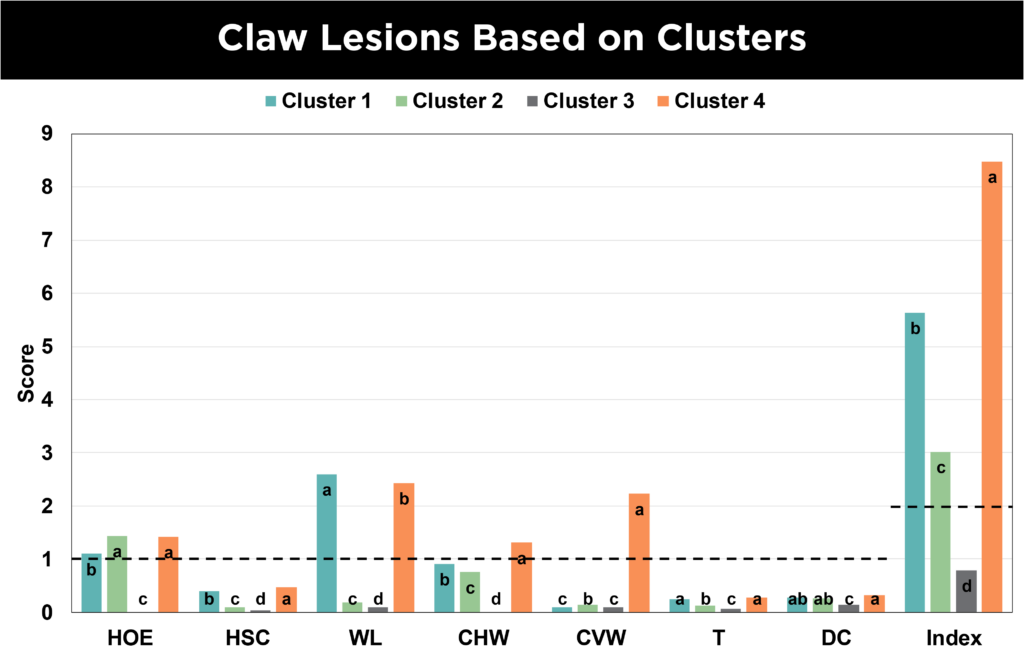
Figure 1. Claw Lesions Based on Clusters
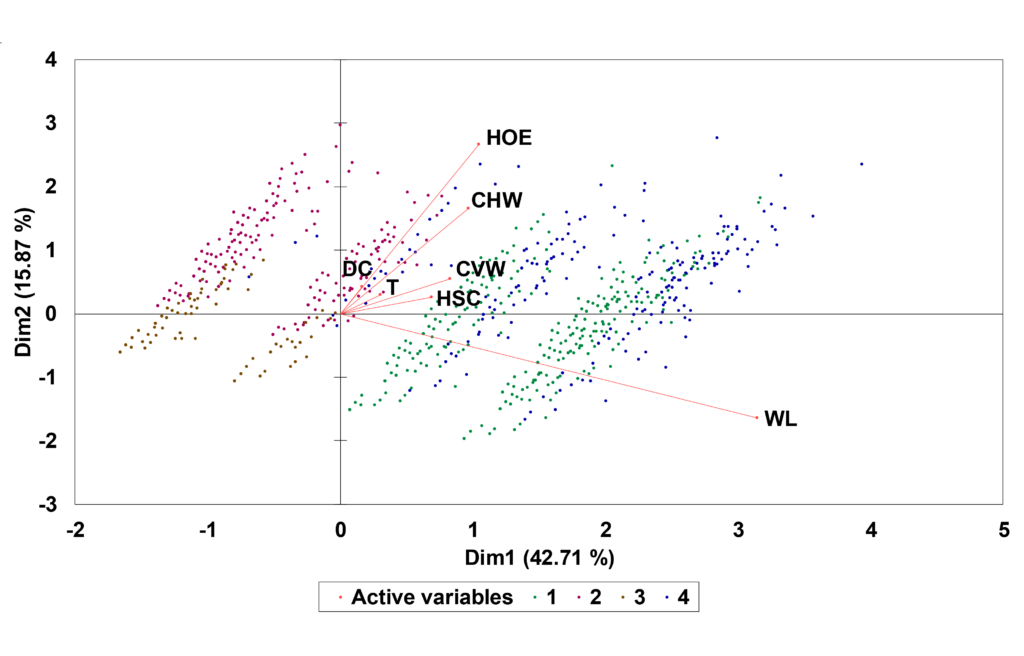
Figure 2.
At the same time, season of evaluation stood out as a major driver of lesion severity.
- Spring and winter were associated with higher scores for several lesion types, including heel overgrowth, horizontal and vertical wall cracks and white line separation.
- Summer consistently showed the lowest lesion scores across all categories.
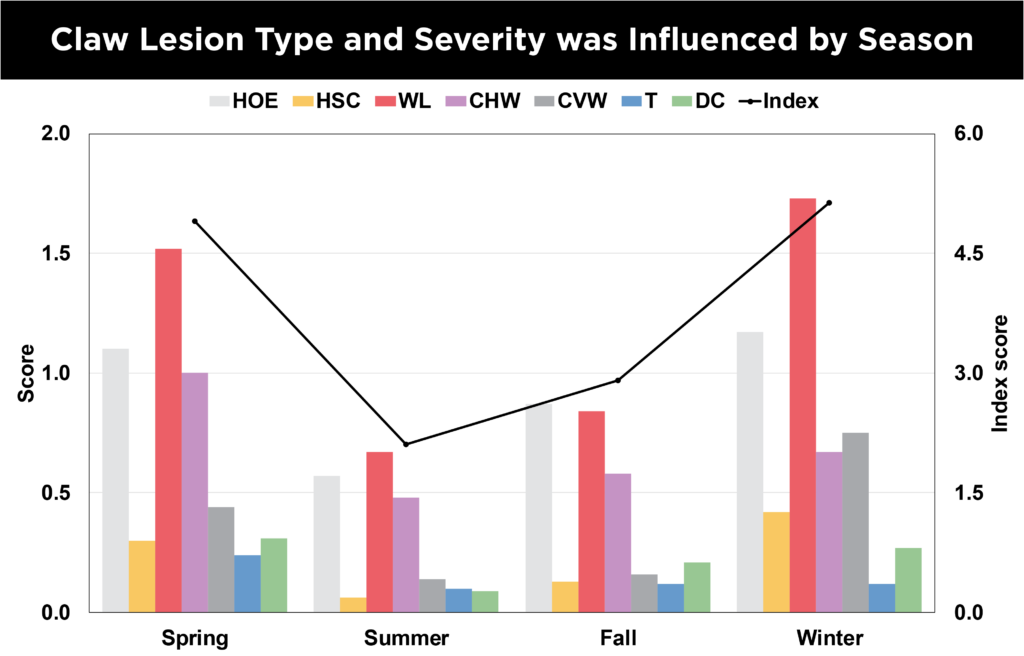
Figure 3. Claw Lesion Type and Severity was Influenced by Season
This creates a challenge for production systems. If claw lesions fluctuate with the season, and sows differ in their susceptibility, how do we design nutrition programs that are both proactive and precise?
Targeted Mineral Nutrition Supports Claw Resilience
The study also evaluated the role of zinc, manganese and copper amino acid complex supplementation with Zinpro® Availa® Sow on claw health (Figure 4). Across clusters, supplementation was associated with meaningful reductions in several lesion types, including horizontal wall cracks, heel-sole cracks and torn claws.
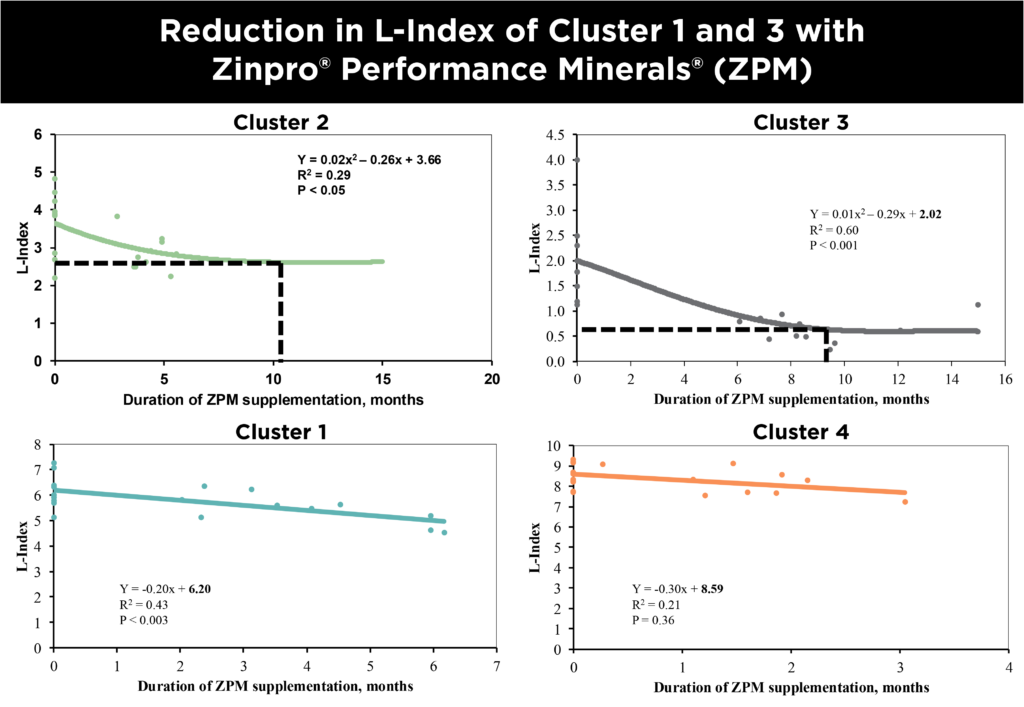
Figure 4. Reduction in L-Index of Cluster 1 and 3 with Zinpro® Performance Minerals® (ZPM)
Importantly, response was not uniform across all sow groups:
- Certain clusters reached a plateau improvement in overall L-index after 8 to 10 months of supplementation.
- Other clusters showed more limited response, highlighting underlying biological or environmental differences.
This reinforces a critical insight: mineral nutrition is most effective when aligned with sow condition, risk profile and timing. Rather than a one-size-fits-all approach, the data support a strategy focused on building structural integrity ahead of high-risk seasons, particularly winter and spring.
Rethinking Claw Health Through a Seasonal Lens
Claw lesions don’t appear overnight, and they don’t disappear that quickly either. This research underscores the importance of long-term, science-based mineral strategies that strengthen claw tissues before seasonal stressors peak.
For production systems, the take-home is clear:
- Monitor claw health trends by season, not just by parity or housing.
- Recognize that different sow groups respond differently to the same intervention.
- Use Zinpro Availa Sow as part of a proactive program designed to support claw resilience over time.
When we align nutrition with biology, and biology with the calendar, we move closer to sustainable sow longevity, improved welfare and more predictable performance.
Claw lesions are more than a welfare issue—they’re a signal.
Contact your Zinpro® Swine Expert to uncover how claw health connects to sow performance, longevity and economics on your farm.
Frequently Asked Questions About Sow Claw Lesions and Seasonal Hoof Health
References
Seasonality as the major factor influencing claw lesion type and severity in lactating sows, which may affect their responsiveness to mineral-amino acid complex supplementation: a case study
Ton Kramer1, Alan Klein1, Alyssa Cornelison1, Wesley Schweer1, Mike Socha1, Lucas Rodrigues1 and Geraldo Camilo Alberton2
1Zinpro Corporation, Eden Prairie, Minnesota, USA
2Federal University of Parana, Palotina, Brazil